
Many owners in Southern Vermont buy a home with the intention of creating a gathering place for children and grandchildren. Over time, however, the house often sits quiet for long stretches of the year. Leaving a home unused feels like an expensive compromise, yet the idea of letting guests stay inside can feel like surrendering control over a place you care about deeply.
Sharing a home for part of the year does not mean giving up your place in it. When specific boundaries and practical systems are put in place, the home remains entirely yours while the unused months help carry its ongoing running costs. Understanding what that preparation actually looks like helps take the uncertainty out of the process.
Setting boundaries with an owner’s closet
One of the main concerns owners have when opening their home to guests is how to handle personal possessions and valuables. Preparing a house for guests does not require stripping away every personal touch or emptying every closet before every arrival.
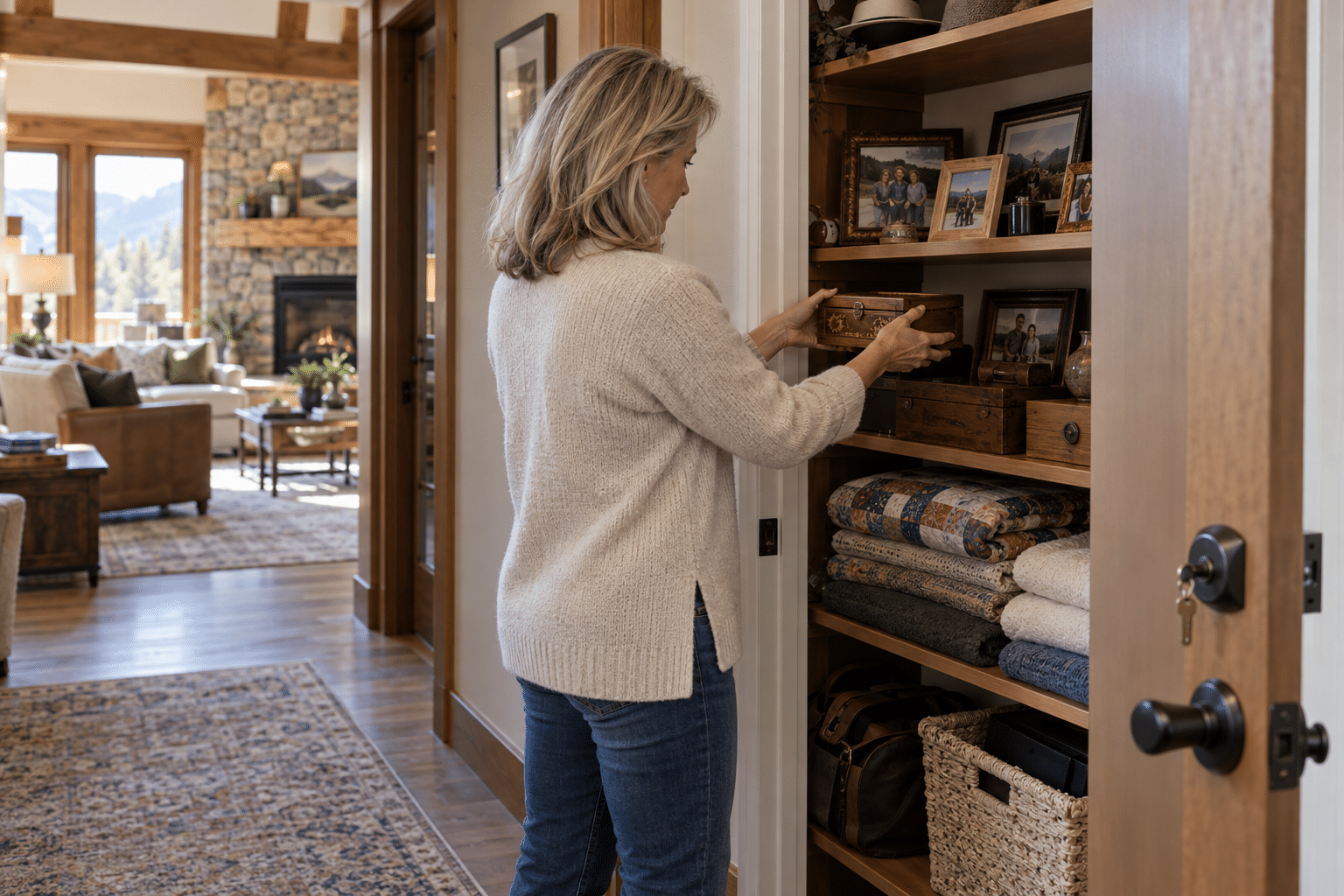
Instead, practical preparation relies on setting up a locked owner’s closet. Personal valuables, sentimental items, private documents, and delicate belongings are stored securely in one designated area that stays locked whenever guests are present. This physical boundary allows the main living spaces to feel welcoming to guests while keeping your family’s personal items separate from guest use and out of sight.
Keeping family linens separate
Another practical step involves how bedding and bath linens are managed. To preserve the comfort and privacy of your own stay, guest use is separated from your family’s personal items.
Owners keep dedicated owner linens stored away between family visits. By arrangement, the cleaning team swaps these out, preparing the home with separate guest linens before every arrival. When your family comes to stay, your own sheets, towels, and bedding are brought out for your use. Guests do not sleep on your family’s personal linens, ensuring that your home feels completely familiar and personal every time you return.
Planning and reserving your family’s dates
A central question for homeowners is how personal family time fits alongside guest stays. Retaining family ownership means maintaining full visibility and structure over when the house is used.
Your family’s own visits are planned and reserved in advance under agreed terms, structured around reservations that have already been taken on the calendar. Through direct access to the property calendar, you can view upcoming dates clearly and block out specific periods for your family and friends. Because existing guest reservations must be honored, planning your key family holidays and vacation weeks ahead of time ensures that your time in the home is preserved.
Managing wear and realistic expectations
Allowing a home to earn rental income during the months it sits unused can help offset the costs of carrying a Southern Vermont property. However, what any individual home earns depends on the property itself, local demand, running costs, how many dates the family keeps for personal use, and the specific terms agreed.
It is also essential to take a realistic view of ongoing property care. Ordinary wear is a natural part of hosting guests, and it is planned for and managed carefully rather than ignored or promised away. While damage cannot be entirely ruled out, clear rules help safeguard the property. This includes enforcing strict guest capacity limits and refusing bookings intended for parties. Care is taken to oversee who stays, treating the house with the respect a fine home deserves.
Taking the next step
Preparing a home for guests is not about stepping back or turning your house into a generic space. It is about establishing clear rules, locked spaces, separate linens, and advance calendar planning so the house continues to serve your family first.
If you are weighing how to balance your family’s time in Southern Vermont with the months your home sits empty, we are here to talk through what that setup would look like for your house. Get in touch whenever you are ready to start a conversation about your property, your goals, and the dates you want to keep.